In the fast-paced realm of program delivery, navigating interdependencies, anticipating upcoming challenges, and maintaining transparency across all levels of an organisation is crucial. This article explores the essential elements of effective delivery portfolio management: visibility, active dependency management, and a comprehensive upcoming roadmap, highlighting their significance in achieving success in delivering strategic outcomes.
Visibility: The Foundation of Trust and Alignment
Visibility in program and project management extends beyond tracking tasks. It involves providing clarity and transparency of program status, progress, and challenges to ensure every team member, stakeholder, and leader can access real-time information. This transparency is pivotal in nurturing trust, enabling informed decision-making, and aligning efforts towards strategic objectives. Tips to enhance visibility include:
- Implement Visual Management Systems: Utilise tools and platforms that offer real-time visibility into project statuses, progress, and challenges. For example, creating dashboards displaying key performance indicators (KPIs) and project milestones can assist stakeholders in staying informed and making data-driven decisions. These tools include Jira (Atlassian) and Azure DevOps (Microsoft). They are lightweight, cost-effective, and easy to scale across teams.
- Regular Planning Sessions and Stand-ups: Embrace agile practices such as fortnightly planning sessions and daily stand-ups to increase team transparency and alignment. This approach enables teams to align priorities and manage workloads effectively, creating a culture of openness and continuous improvement.
- Regular Planning Sessions and Stand-ups: Embrace working practices such as fortnightly planning sessions and daily stand-ups to increase team transparency and alignment. This approach enables teams to align priorities and manage workloads effectively. When incorporated with other practices that showcase work to obtain feedback and reflection to drive continuous improvement, teams go from being busy to delivering the right value.
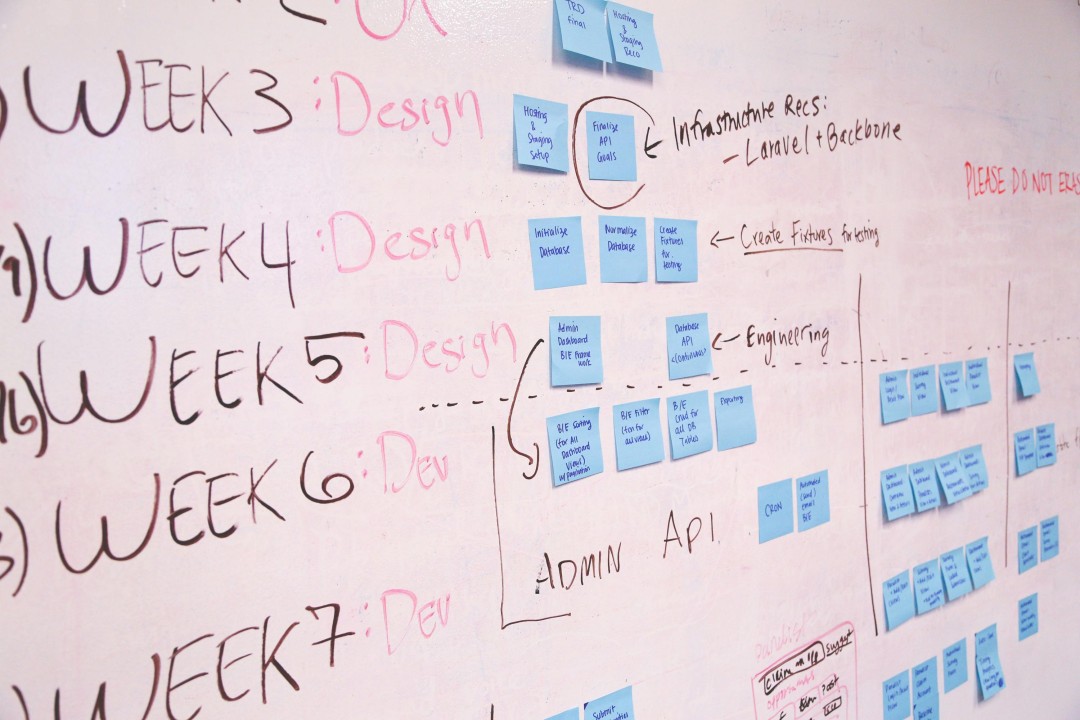
- Mission Control Spaces: Establish dedicated visual management boards where project information is consolidated and centrally accessible. These boards provide easily understood information on progress, risks, and dependencies. Such physical or virtual boards create a single source of truth for always on project status, facilitating better decision-making and problem-solving. Examples of effective tools are Jira Align (Atlassian) and Miro.
Active Dependency Management: Navigating the Web of Interdependencies
Active dependency management involves proactively identifying, tracking, and resolving dependencies between tasks, teams, and resources to prevent bottlenecks and delays. The challenge lies in systematically identifying and resolving these interdependencies, necessitating a proactive stance to anticipate potential issues and devise mitigation strategies. Understanding each role and responsibility is crucial for effective dependency management to ensure unforeseen interdependencies do not derail projects.
- Map and Monitor Dependencies: Develop a systematic approach to identifying and tracking dependencies across projects. Tools like Jira Align can help visualise and manage dependencies to address potential bottlenecks proactively.
- Cross-Functional Collaboration: Nurture a culture of collaboration across different teams and departments. Encourage regular cross-functional meetings to discuss dependencies, share insights, and develop joint risk mitigation strategies. Approaches can also include co-creating solutions and leveraging shared resources to overcome challenges.
- Build an organisation around the flow of work: Organise teams into agile Tribes (programs) and Squads (teams) aligned around common objectives while minimising dependencies. This structure promotes autonomy and faster decision-making and reduces the complexity of managing interdependencies.
Upcoming Roadmap: Charting the Course Forward
An upcoming roadmap is not just a document outlining future directions; it’s a strategic tool that guides teams, clarifying priorities and expectations. It ensures that all efforts are aligned with strategic goals, facilitating a unified approach to achieving them. The roadmap serves as a beacon, guiding teams through the complexities of project delivery and ensuring that every step contributes towards the overarching objectives. Aligning the business roadmap with customer journeys and strategic initiatives is crucial for delivering value and securing a competitive advantage.
- Co-create roadmaps: Engage key stakeholders in the roadmap creation process to ensure strategic goals and priorities are aligned. This collaborative approach ensures that the roadmap reflects the organisation’s collective vision and objectives, enhancing buy-in and commitment.
- Quarterly Business Reviews (QBRs): Conduct QBR planning sessions to review progress against the roadmap, adjust priorities based on new insights, and set clear objectives for the upcoming quarter. This iterative process allows flexibility in responding to changes and ensures the roadmap remains relevant and aligned with strategic goals.
- OKRs and Performance Metrics: Implement Objectives and Key Results (OKRs) to link strategic goals with specific, measurable outcomes. This goal-setting framework helps track progress against the roadmap, ensuring efforts focus on achieving high-impact results.
In summary…
Visibility, active dependency management, and a well-defined forward-looking roadmap are crucial for successfully managing a delivery portfolio. These elements enhance operational efficiency and develop a culture of transparency, collaboration, and strategic alignment. By prioritising these aspects, organisations can navigate the complexities of project delivery with greater agility and predictability, ultimately driving better outcomes and value.


